Caribbean
Haiti: How MI Americas is Combating Malnutrition in 2025
Darlou Alexandre, Communications Officer MI Americas, Haiti
In Haiti, food insecurity is devastating families, with children under the age of five facing the worst of the crisis. In response, MI Americas is on the ground in the Nippes department, delivering essential medications, nutritional supplements, and consistent medical care to help children recover and guard against the long-term impacts of malnutrition.
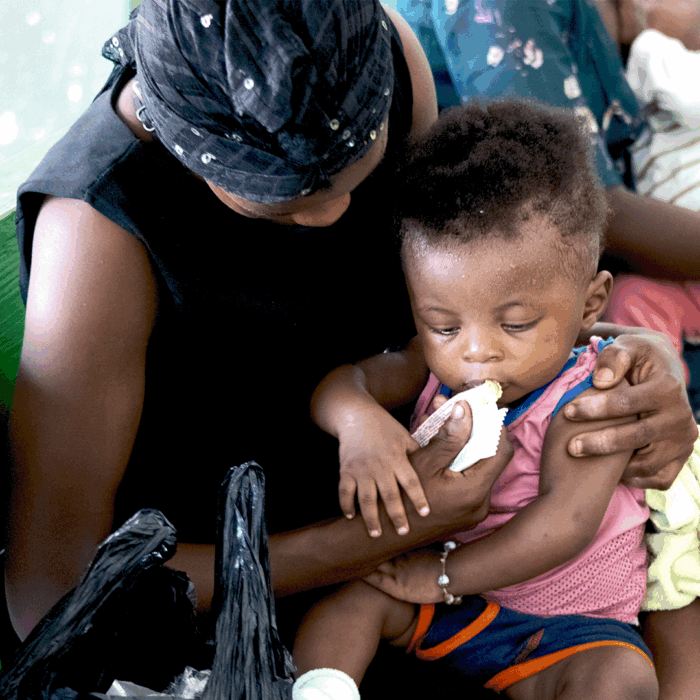 In the first quarter of 2025, the Cash and Nutrition program admitted 92 children suffering from malnutrition. This is an increase that reflects both rising need and improved access to care. 550 children received nutritional supplements, including therapeutic food packets to help them grow stronger. Among them, 193 children were diagnosed with severe malnutrition. Thanks to consistent monitoring and scheduled follow-ups, 95 children fully recovered from malnutrition during this time period.
“Malnutrition gravely impacts a child’s development, especially their ability to learn,” said Myrline Altema, Nutrition Officer with Malteser International Americas. “We are committed to treating as many children as possible and providing families with the tools to break this cycle.”
The program extends well beyond clinical treatment. In an effort to promote long-term resilience, MI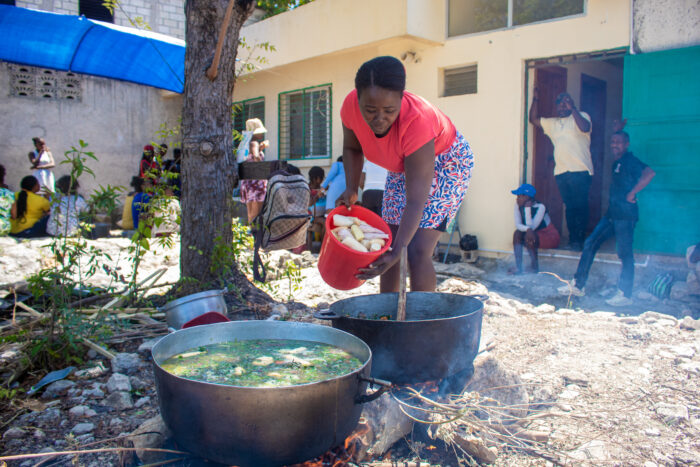 Americas organized 12 cooking demonstrations across the communes of L’Asile, Petit-Trou de Nippes, Baradères, and Petite-Rivière de Nippes. A total of 264 participants, primarily parents of malnourished children, pregnant and nursing women, displaced individuals, people with disabilities, and youth in economic distress, received hands-on training in preparing nutritious meals using local, affordable ingredients. The sessions also addressed hygiene practices and community well-being.
“We organize these demonstrations to underscore that prevention is just as critical as treatment,” Altema added.
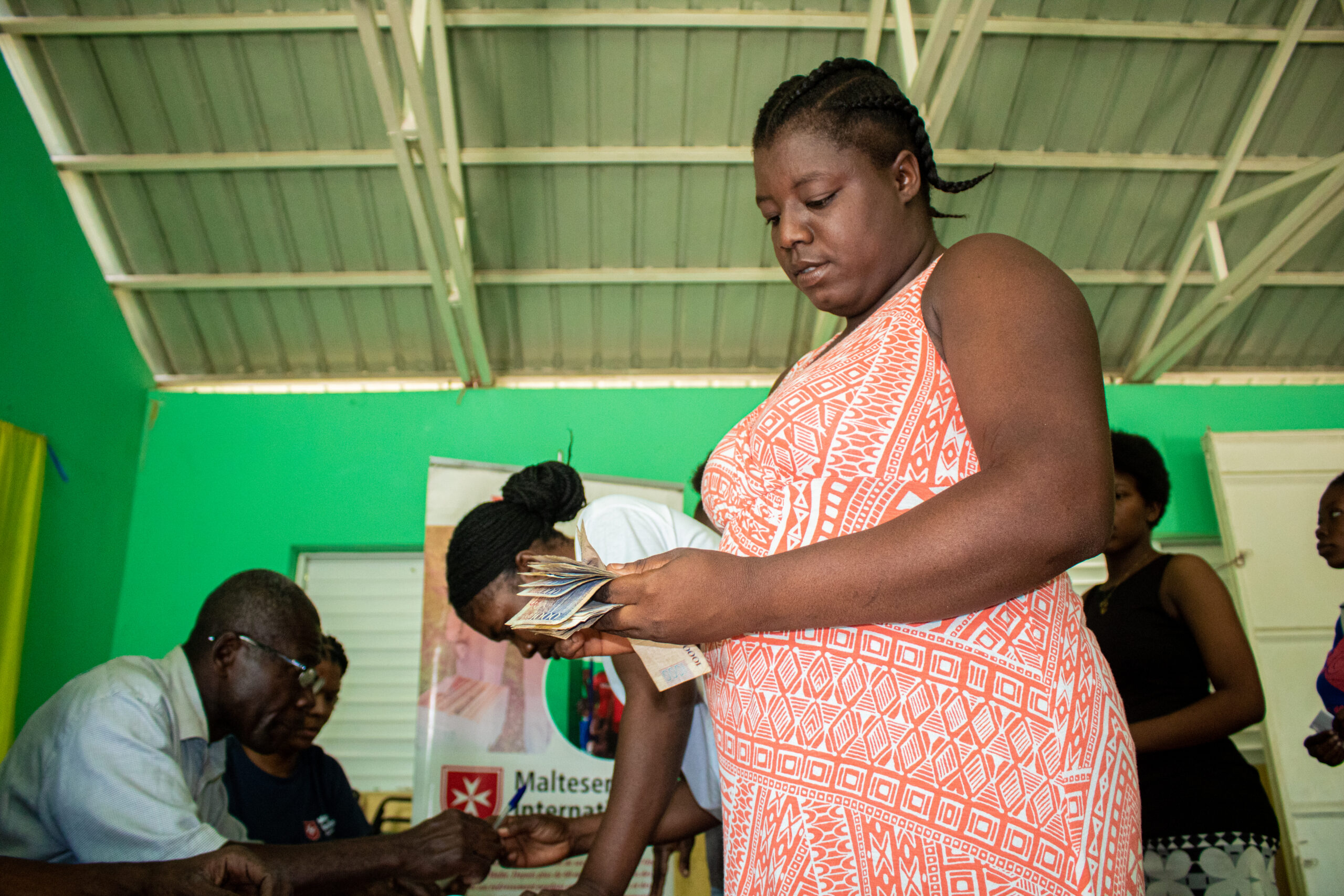 As part of this broader effort, cash distribution activities have also had a positive effect on families in these communes. Surveys conducted one month after cash distributions revealed that they had a positive impact on the food security of the participating households. Anie Dulièpre, the program’s coordinator, noted that eligibility criteria for recent distributions have expanded to include families not currently facing malnutrition but that are at high risk, aiming to prevent future cases.
“By broadening our scope, we can intervene earlier and protect more children from falling into crisis,” Dulièpre explained.
By addressing immediate nutritional needs while equipping families with the knowledge and resources to sustain healthier futures, MI Americas is reaffirming its commitment to the most vulnerable in Haiti.
As we look ahead, we call for broader support to expand our impact: more children treated, more families reached, and more lives saved in the fight against malnutrition.